
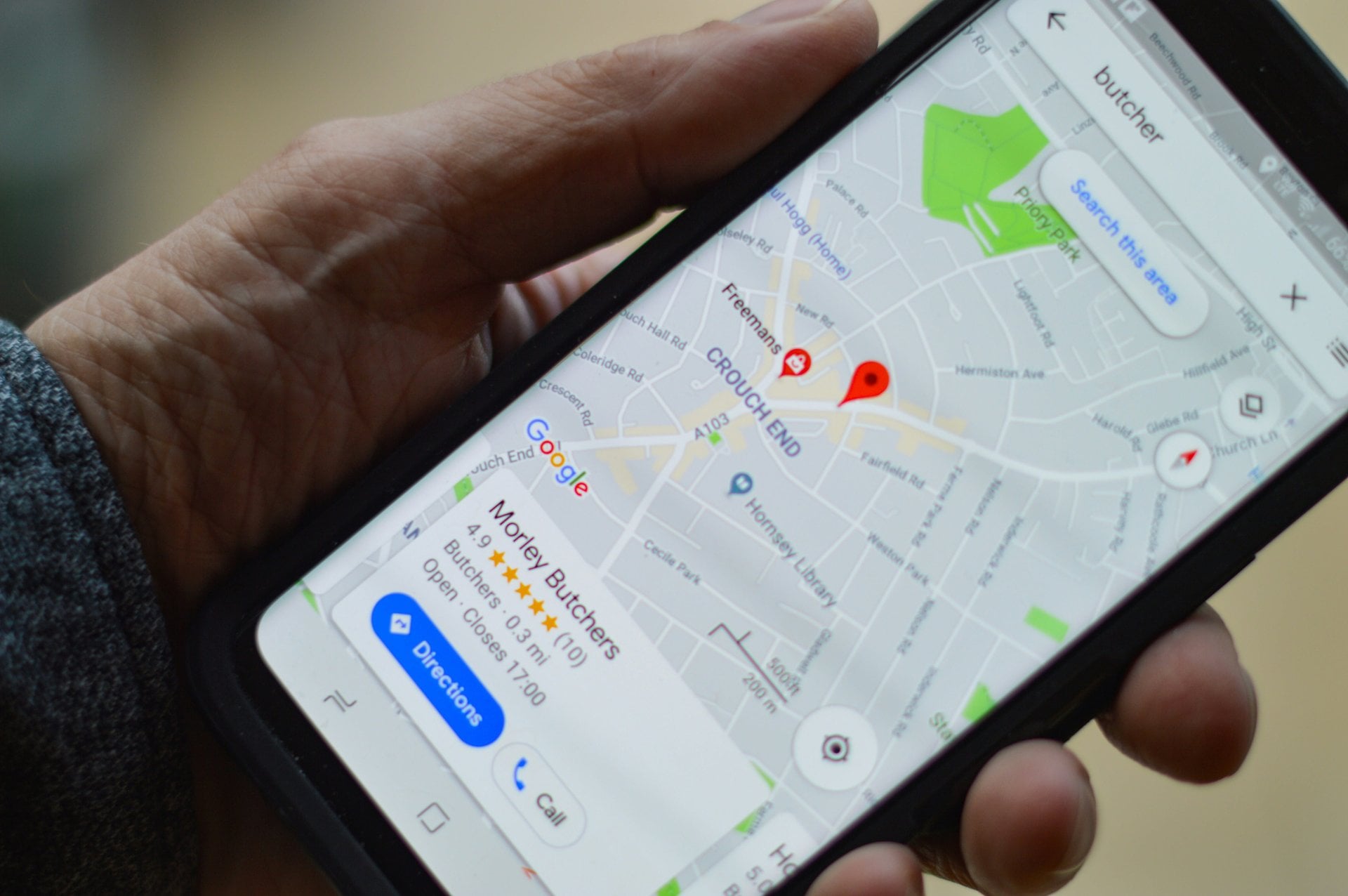
According to Google, 76% of people who search “near me” visit a business within a day. (1) Local marketing is a way to turn this intent into new customers.
But not all of the local marketing tactics you’ll read online actually work. Some of them are outdated, others were only written to sell things in the first place.
The local businesses Loopla works with have just a few hours to spend on marketing each week. So when writing our advice newsletter for them, we make sure there’s fresh, solid evidence behind every tip.
The guide below is built on this research. Your results will vary, but every local marketing tactic below has a study, stat or case behind it.
We grouped them into three categories, which you can jump ahead to using the links below:
What counts as local marketing?
Anything you do to reach customers in a specific area counts as local marketing. The main channels people market through are:
- Local SEO
- Local paid advertising (geo-targeted ads)
- Reviews and reputation management
- Social media (geo-tags, community groups, local hashtags)
- Community engagement (events, partnerships, sponsorships)
- Email and instant messaging
- Local PR and content (e.g. regional media outlets)
Local SEO
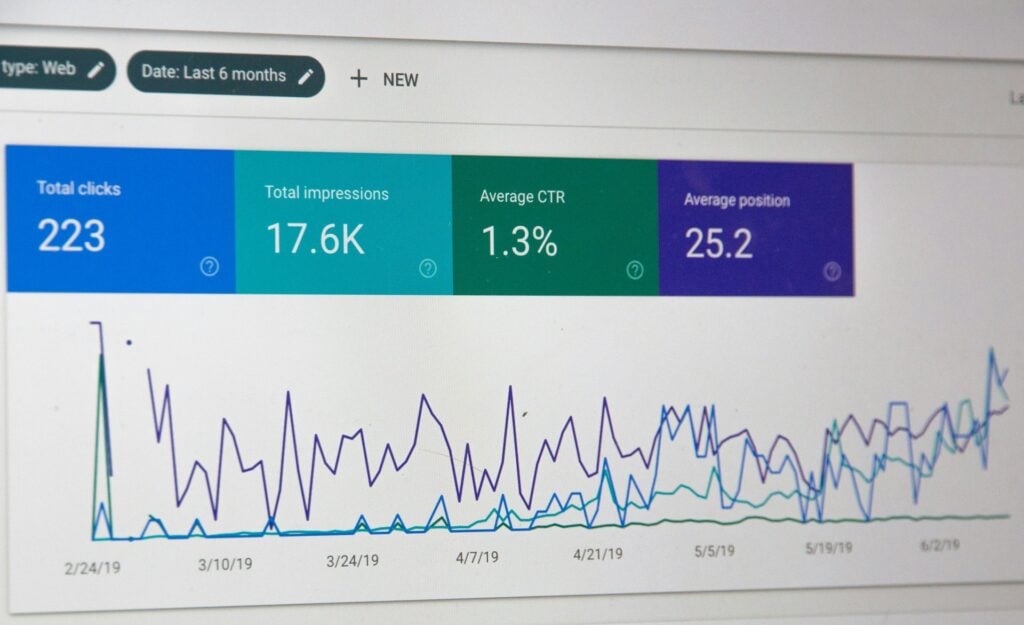
Give your Google Business Profile some attention
If you haven’t already, your very first job should be to complete and verify your Google Business Profile.
This is a quick, easy way to gain an edge on over a third of the competition. According to one widely cited statistic, 36% of businesses haven’t verified their Google Business Profile. (2)
Google itself once reported that going section by section through your Google Business Profile and filling any missing fields can get you 7x more clicks. (3)
If you have already set up your Google Business Profile, regularly adding real photos may be another relatively low-effort win.
A BrightLocal study found that Google Business Profiles with more than 100 images got 1,065% more clicks than the average business. (4) Make a habit of adding two fresh pics per week and after a year you’ll surpass that image count.
How to drive more Google reviews, and why you should reply
To help more customers find you on Google, you need reviews. These are as important as your online ads, if not more so.
88% of customers read Google reviews before using a local business. (5) But unfortunately, only 5% of them leave reviews.
Google penalises businesses that incentivise reviews, meaning all you can really do is politely ask for them. You may be surprised at how effective this is, however. One report found 83% of consumers left reviews after being prompted. (6)
The best time to ask is after a positive interaction, and we can personally vouch for this. But we also recommend making a habit of sending personal, friendly requests. For example:
“Hi [parent’s name], it was so wonderful having [child’s name] in class today. Your support really means the world to us. Would you be willing to leave us a quick Google review? They’re more important than a lot of people think and help more families discover us. Thank you!”
Sending this to one customer every week takes about a minute but could lead to a steadily growing stockpile of reviews.
Whenever you do get a new review, your next step should be to reply. This is more effective at driving sales than you might think.
BrightLocal found consumers are 2X more likely to use businesses that respond to every review than those that ignore them. (7)
This is true for both glowing reviews and the less flattering ones. Calm responses to negative feedback can show you’re reasonable and care about quality. In the case of positive reviews, it’s an easy opportunity to show warmth and personality.
📩 Get one quick local marketing tip in your inbox every week
Loopla writes a free weekly newsletter built for people who run kids’ classes, camps and clubs around London. Each issue gives you one practical idea you can try that week.
👉 Sign up for weekly local marketing ideas
Local marketing through promotions
Use hyperlocal targeting to make offers feel more exclusive
The average person is exposed to 5,000 ad messages per day. So even when promos really do offer big savings, they often get tuned out. (8)
One way to cut through is hyperlocal targeting, the tactic of homing in on a specific postcode, street, or neighbourhood.
It’s typically used to capitalise on “near me” searches, but you can also use it by offering discounts to local residents only.
We like this tactic because it does two things. It both signals that you value community and makes the promotion more enticing.
In one case, a discount available to Greenwich residents only was 3x more effective than a generic promo. (9)
Why? Because when an offer is exclusive, it seems more valuable.
“It’s one of those psychological tricks that I’d suggest for long-term success over high-spend ads,” explains Aled Nelmes, CEO and founder of Lumen SEO. (10)
“Everyone within a 10-mile radius is within that postcode, but the consumer feels a sense of exclusivity nonetheless.”
Use games to make discounts feel earned
Another simple tweak is to turn promos into games. For example, ‘Spin the Wheel’.
While researching events, we often see pop-ups in shopping centres like Westfield do this to create buzz. And there’s growing evidence to explain why.
According to one marketing agency, most shoppers say they aren’t influenced by typical online ads. (11) But 60% of those same users admitted they’re more likely to buy from companies that use ‘gamification’.
Spin-the-wheel giveaways can also help you get more mileage out of big prizes.
For example, say your top prize is worth £50. If you divide the wheel into 20 prizes, it will only be claimed 5% of the time on average. You can offset the cost by making the bulk of the prizes low-value, like a sticker or a chocolate.
Use the right words to create urgency
Adding just one quick phrase can be an effective tool in persuading customers to buy.
As renowned psychologist Robert Cialdini says, “Opportunities seem more valuable to us when they are less available.” (12)
People also tend to put things off when there’s no apparent rush. This can lose you sales, either because the customer forgot or lost interest.
To create a sense of urgency, try adding one of the phrases below to your booking page, social posts or email subject lines.
- Only [insert number] spots left
- Spaces filling fast
- Best price available for 7 days
- Limited spots
Local marketing on social media
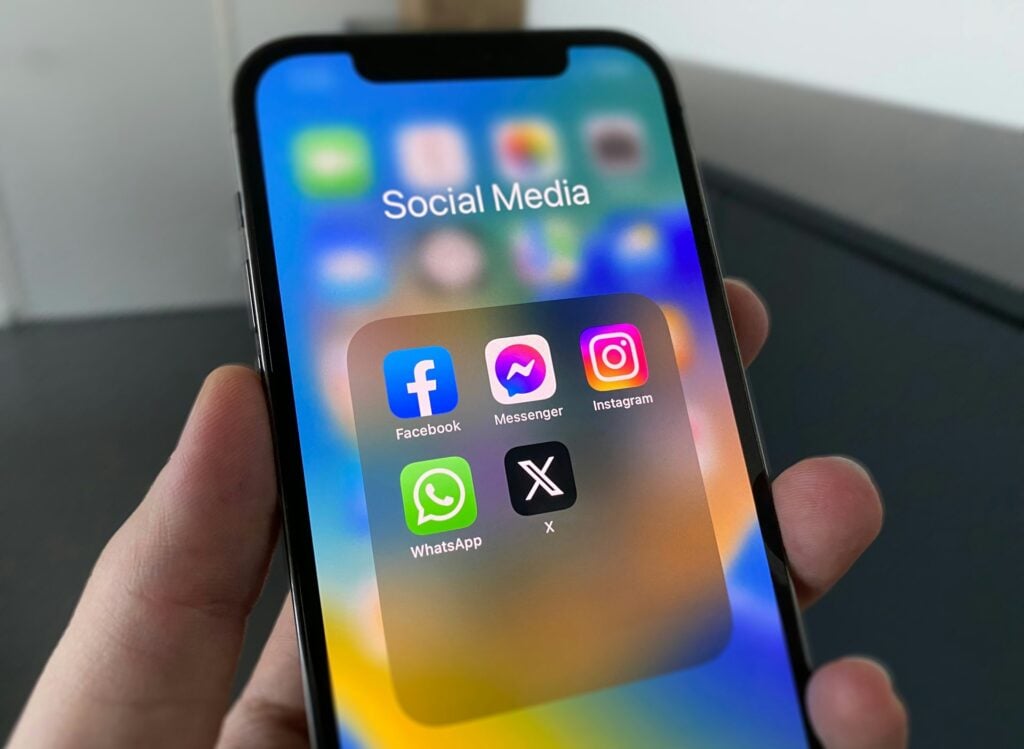
Set up a WhatsApp Business profile
WhatsApp may be the most overlooked social platform in local marketing, though probably not for long. Researchers say it helps 1 in 5 businesses boost sales. (13)
In marketing they say, “Fish where the fish are.”
Right now, the fish are spending 38 minutes per day on WhatsApp, whose Business platform only takes about five minutes to set up.
Doing so unlocks useful features like ‘Broadcast Messages’. One industry report says these have an 86% open rate compared to the 20% averaged by emails. (14)
You can also set up ‘Quick Replies’, auto-responses that save you time by answering frequently asked questions.
Post your best social media content at peak times
But in terms of social media content, when should you post your best stuff?
Instagram users are generally most active on Wednesday, according to research from Buffer. (15) It’s closely followed by Thursday and Tuesday, suggesting midweek is the best time for engagement.
As for the best time of day, their data says 6-11pm. The one exception they cite is Thursday. On that particular day, the best time to post for engagement is around 9am.
Five more quick local marketing ideas to try on social media
Any local business should be able to try out these ideas in five minutes or less.
Pin your most important post on Instagram. Make sure it’s the first thing your customers see.
Add a booking link to your Instagram bio. Use Linktree or a single “Book Now” link, so people don’t have to hunt for it.
Use location keywords in your social bio. For example: “Baby signing classes in Chelsea, Islington & Notting Hill.”
Add audio to your Instagram photos. Head of Instagram Adam Mosseri says this helps with engagement, because 50% of Instagram users have audio switched on while browsing. (16)
Reply to your last three Instagram comments. Even an emoji reply shows you’re active and encourages more engagement.
The best place to get more local marketing ideas
If you’d like ideas like these delivered to your inbox each week, sign up to our free newsletter. It’s built for people who run kids’ classes, camps and clubs in London. However, many issues contain quick, practical tips that most local businesses can try or adapt.
Sign up below 👇
References
1. 24 Must-Know Local SEO Statistics, Backlinko
2. 40 Google Business Profile Statistics (2026 Trends & Insights), Adam Connell, Search Endurance
3. Boost Your Business with Google Business Profile: Tips from Google’s Farah Shirzadi, Google Small Business
4. Google My Business Insights Study, BrightLocal
5. 53 Google Review Statistics Every Business Must Know (2026), WiserReview
6. 53 Google Review Statistics Every Business Must Know (2026), WiserReview
7. 9 Key Benefits of Online Reviews for Businesses, BrightLocal
8. Anywhere the Eye Can See, It’s Likely to See an Ad, New York Times
9. Hyperlocal Marketing in 2025: Winning Audiences One Postcode at a Time, GMT Networks
10. Ways to Improve Local Marketing, Stella Morrison, Business.com
11. How to Use Gamification in Marketing, Linsey Knerl, HP Tech Takes
12. Principles of Persuasion, Robert Cialdini, Influence at Work
13. Top WhatsApp Marketing Statistics D2C Businesses Should Know (2025), The Content Kettle
14. Ten WhatsApp Stats That Might Surprise Marketers, Stuart O’Brien, Digital Marketing Solutions Summit
15. The Best Times to Post on Instagram in 2026, Kirsti Lang, Buffer
16. Adam Mosseri, Head of Instagram, Instagram