
STEM Clubs for Kids in London
Some children are made for STEM. They take the remote apart, ask questions you can't answer, and would build all weekend if you let them.
But as parents, we also have one eye on the future. We want our children to explore and enjoy science for its own sake, and to pick up the problem-solving and tech know-how that may serve them whatever career they end up choosing.
The research says you're right to start early, too. UCL followed the same children from age 10 to 22 and found that most liked science, but only around 16% could see themselves doing it, and that barely changed by sixth form. (1)
The children who did stick with it had something in common, and it wasn't school. Researchers call it science capital: all the science that happens outside the classroom, in clubs, museums and kitchen experiments.
The more of it a child has, the more likely they are to carry on with science after 16. (2)
See the latest STEM clubs and activities below to find one near you.
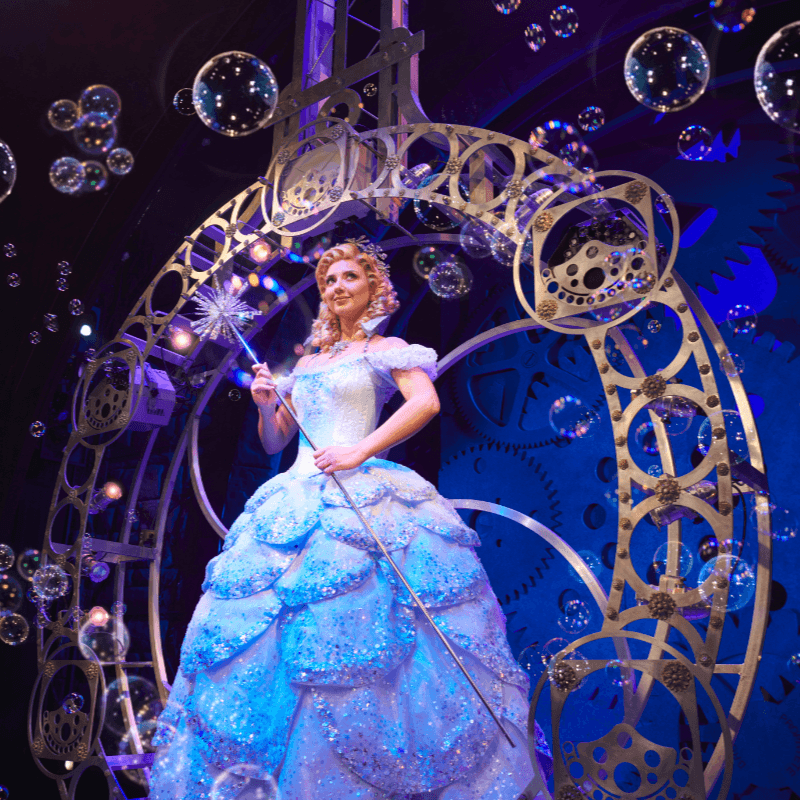
Wicked The Musical
Get tickets to the award winning WICKED at London’s Apollo Victoria Theatre, now in its landmark 18th year. Discover the untold story of the Wicked Witch of the West. WICKED, the West End and Broadway musical sensation, is the winner of more than 100 global awards, including three Tony Awards on Broadway, two Olivier Awards, eleven WhatsOnStage Awards, and a Grammy. Currently starring Emma Kingston as Elphaba with Zizi Strallen as her counterpart Glinda, WICKED the musical is the 10th longest running production in West End history. This spellbinding show has been seen by over 12 million people, and it remains ‘one of the most successful musicals of all time’ (BBC News). Transporting audiences to a reimagined world of Oz, this outstanding musical features stunning costumes, spectacular sets and show-stopping songs in a night of spellbinding theatrical magic. Book your theatre tickets to this truly WICKED musical with LOVEtheatre today! What is Wicked the Musical about? When Dorothy Gale famously triumphed over the Wicked Witch of the West, we only ever heard one side of the story. See the Land of Oz through new eyes and explore a parallel journey to the familiar The Wonderful Wizard of Oz. Based on the acclaimed novel by Gregory Maguire, Wicked imagines a beguiling backstory and future possibilities to the lives of L. Frank Baum’s beloved characters from ‘The Wonderful Wizard of Oz’, revealing the decisions and events that shape the destinies of two unlikely university friends on their journey to becoming ‘Glinda The Good’ and the ‘Wicked Witch of the West’.
Tue 27 Oct - Sat 19 Dec
19:30 - 22:15
Theatre Show • 5 years+ • £26.50
SW1V, Apollo Victoria Theatre
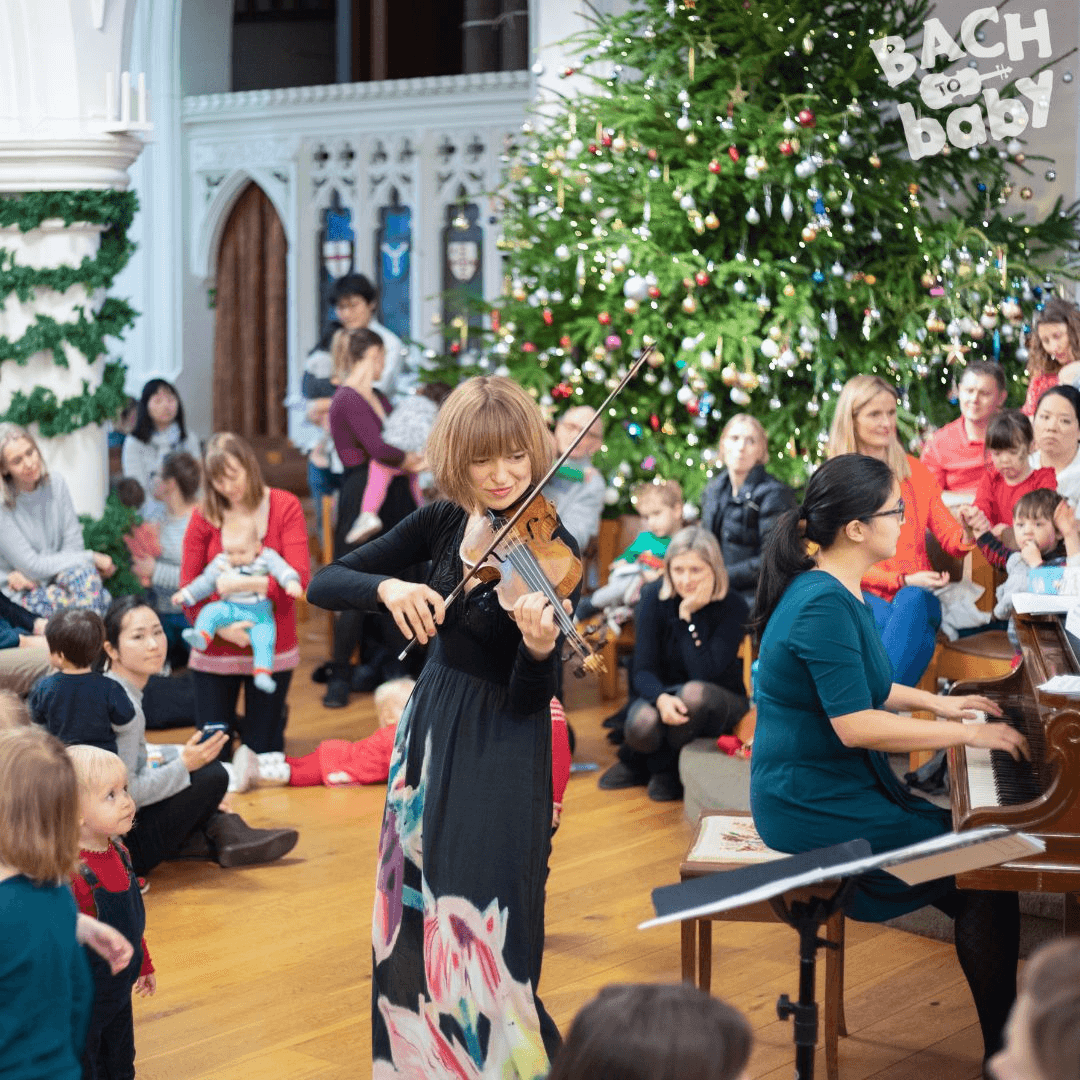
Christmas Family Concert, Victoria & Pimlico
Grab your family, harness up your fastest reindeer and meet us at a Bach to Baby concert for the perfect prelude to the holiday season! Sleigh bells ring, the stage is set - a jolly concert you won't forget. So don your glitter, grab your crew - Bach to Baby's got a treat for you! Our Christmas concerts are a festive feast of music and sing-along carols - featuring seasonal favourites, jazzy twists and surprises. Whether rocking a baby, shepherding tots, or gathering the whole family tree, eveyone's welcome. About Bach to Baby Bach to Baby is the critically acclaimed concert series for babies, toddlers and their carers. Tots dance, roam about and revel in the wonder of live music, while you take a moment out of your busy day to hear top notch performances by outstanding musicians, with your young babes in tow. Outstanding Musicians, Exhilarating Performances, Inspiring Locations across the UK. As seen at Royal Albert Hall and Buckingham Palace. Featured in The Times (London) and the New York Times.
Sat 28 Nov - Sat 28 Nov
11:00 - 11:45
Music • 0m-5 years • £18.00
SW1V, St Gabriel's Church

Perform Drama, Dance & Singing, 4-7yrs
Perform is a unique type of children’s drama school. Focusing on child development, Perform uses a specially formulated mix of drama, dance and singing to bring out every child’s true potential. Small class sizes ensure lots of individual attention by the experienced actor-teachers who focus on developing the 4 Cs: Confidence, Communication, Coordination and Concentration and having the best fun of the week. Perform offer no-obligation FREE trial sessions to all newcomers. About Perform Perform was launched in 2000 as a new kind of drama school - one that has child development at its very heart. The founders, Will Barnett and Lucy Quick, both had a passion for the performing arts and wanted to create a unique organisation to help build children's self-esteem and life skills. Starting with two schools in Primrose Hill and Islington, Perform has grown to over 350 venues across London and the South and West of England. It now encompasses hundreds of weekly classes for 4-7s and 7-12s, holiday courses and Perform for Schools - a thriving programme of workshops in primary schools. At Perform, we embrace the uniqueness of every child, offering a distinctive blend of drama, dance and singing to unlock their true potential. Our ethos is simple: focus on happiness and fulfilment, recognising that each child's journey is their own. Rather than teaching rigorous techniques, memorisation and repetition to produce a 'perfect performance', Perform uses drama-based games, exercises, songs and dances in an imaginative and fun way to help boost child development. With Perform, you're not just enrolling your child in a drama class; you're giving them a space to thrive, learn and have fun. Perform is more than just a drama school; it's a community dedicated to nurturing creativity and confidence in children through a unique curriculum of original content, imaginative games and fun exercises. With over 350 venues across the UK, our centrally-run approach ensures consistent quality and care, making Perform the ideal place for your child to grow. Discover the Perform difference and watch your child shine.
Wed 4 Nov - Fri 23 Jul
16:00 - 16:00
Drama • 4-7 years • Free trial
SW1V, Holy Apostles Church Hall

Perform Drama, Dance & Singing, 7-12yrs
Try a FREE Confidence Building class with Perform Perform’s popular weekly drama, dance and singing classes for 4-7s and 7-12s have an emphasis on social development. Fun drama-based games, exercises, songs and dances are used in an imaginative way to develop confidence, concentration, communication and coordination. About Perform Perform was launched in 2000 as a new kind of drama school - one that has child development at its very heart. The founders, Will Barnett and Lucy Quick, both had a passion for the performing arts and wanted to create a unique organisation to help build children's self-esteem and life skills. Starting with two schools in Primrose Hill and Islington, Perform has grown to over 350 venues across London and the South and West of England. It now encompasses hundreds of weekly classes for 4-7s and 7-12s, holiday courses and Perform for Schools - a thriving programme of workshops in primary schools. At Perform, we embrace the uniqueness of every child, offering a distinctive blend of drama, dance and singing to unlock their true potential. Our ethos is simple: focus on happiness and fulfilment, recognising that each child's journey is their own. Rather than teaching rigorous techniques, memorisation and repetition to produce a 'perfect performance', Perform uses drama-based games, exercises, songs and dances in an imaginative and fun way to help boost child development. With Perform, you're not just enrolling your child in a drama class; you're giving them a space to thrive, learn and have fun. Perform is more than just a drama school; it's a community dedicated to nurturing creativity and confidence in children through a unique curriculum of original content, imaginative games and fun exercises. With over 350 venues across the UK, our centrally-run approach ensures consistent quality and care, making Perform the ideal place for your child to grow. Discover the Perform difference and watch your child shine.
Wed 4 Nov - Fri 23 Jul
17:05 - 17:05
Drama • 7-12 years • Free trial
SW1V, Holy Apostles Church Hall

Paddington Afternoon Tea Tour
Don’t miss the Paddington Afternoon Tea London Sightseeing Tour, a Paddington-themed tour through London aboard a classic double-decker bus, brought to you by Brigit’s Bakery, renowned for its delightful afternoon tea experiences. Enjoy sweet treats, marmalade sandwiches and animated storytelling while passing the city’s most famous landmarks. Highlights 🚌 Ride through Central London aboard an iconic Routemaster double-decker bus 🍰 Enjoy a Paddington-themed afternoon tea with the famous marmalade sandwich 🐻 Discover London landmarks with animated storytelling from Paddington and Mrs Bird 📍 Spot highlights like Big Ben, Westminster Abbey, Piccadilly Circus and more Climb aboard a charming double-decker Routemaster for a Paddington-themed afternoon tea tour through Central London. Enjoy a delightful menu featuring marmalade sandwiches while passing iconic landmarks such as Big Ben, Westminster Abbey and Piccadilly Circus. Built-in screens bring the journey to life with animated storytelling from Paddington and Mrs Bird, making it a bear-tastic experience for families and London lovers alike. Get your tickets today for the Paddington Afternoon Tea London Sightseeing Tour in London!
Tue 27 Oct - Tue 10 Nov
12:30 - 14:00
Kids Activities • 2-9 years • £56.00
WC2N, Trafalgar Square

Santa in the Sky
This Christmas, soar above London and meet Santa in our festively decorated pod, a Christmas experience for all ages. Step into a World of Festive Magic Embark on a magical festive adventure for the whole family. Your experience begins with a VIP welcome before you’re greeted by one of Santa’s special friends in a dedicated Christmas space. Whether you meet the Gingerbread Baker, Toy Maker’s Apprentice, Santa’s Head Elf or the Nutcracker, they’ll entertain your little ones with festive games, activities and a complimentary sweet treat. Children can write their letters to Santa at the craft table and post them in the Christmas post box before the journey begins. Once the excitement builds, your Christmas host will escort you to your beautifully decorated London Eye pod, where Santa is waiting. With your children’s wish lists and special details secretly shared in advance, Santa will amaze them with personalised stories and surprises as you soar above London’s sparkling skyline, before gifting them a special present to take home. Experience the Magic in motion Santa in the Sky offers a magical Christmas experience high above the city. Here’s what awaits you during your visit: • VIP check-in and warm welcome from one of Santa’s festive friends • A dedicated pre-flight Christmas space filled with decorations, activities and festive fun • A complimentary sweet treat for little ones • A festive escort to your London Eye pod • A 30-minute London Eye rotation where you'll meet Santa, hear enchanting stories and enjoy 360-degree views of London sparkling below • A special gift for every child to take home This ticket price include 1 Adult & 1 Child
Sat 21 Nov - Thu 24 Dec
11:30 - 12:30
Kids Activities • 0m-12 years • £39.00
SE1, The London Eye

Shrek the Halls! A Shrektacular Experience
An ogre-the-top Christmas at the Swamp Shrek the Halls is back at Shrek’s Adventure! London this festive season for an ogre-the-top festive experience. Guests will meet Shrek Santa in a specially decorated swamp, creating memorable seasonal moments and photo opportunities for the whole family! This Christmas adventure runs from 5 December to 3 January and is included with your Shrek’s Adventure! London ticket. Pre-book online to guarantee entry Meet Shrek santa today and post for a photo to mark the special occasion! Guests will also be gifted with a Christmas card – included in the standard ticket price! Meet Shrek santa Hop aboard the magical flying 4D bus to Far Far Away and step into a Christmas adventure like no other. Journey through nine laugh-out-loud live shows, packed with festive sparkle, captivating storytelling, special effects, and Donkey’s trademark cheekiness! The Shrek Santa Meet & Greet is included with every entry ticket – no extra cost to join the fun! You’ll also spot familiar faces like Cinderella, Sleeping Beauty and the Muffin Man. Even Far Far Away gets a touch of Christmas magic!
Sat 5 Dec - Sun 3 Jan
10:00 - 11:00
Christmas Activities • 2-12 years • £24.00
SE1, Shrek's Adventure
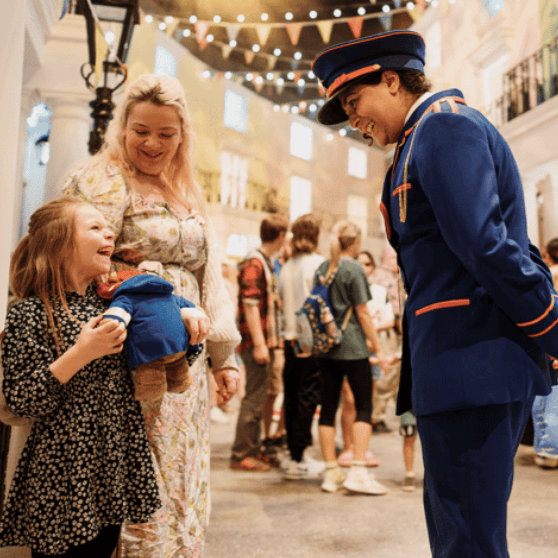
The Paddington Bear Experience
Step into the world of Paddington and embark on an exciting adventure to help the beloved bear and the Brown Family prepare for a very special occasion – Marmalade Day! Highlights • A completely unique, immersive experience • Something for the whole family to enjoy • Celebrate Marmalade Day in Windsor Gardens with Paddington This brand-new experience will take you on an exciting adventure into Paddington’s world! Help Paddington and the Brown Family prepare for a VERY special occasion; the Marmalade Day Festival. Just like Paddington, you’ll begin your adventure in the hustle and bustle of Paddington Station where you’ll meet the friendly Station Master and hop aboard our full-sized train carriage – make sure you aren’t late! JOURNEY through the sights and sounds of London, all the way to the Brown’s house at No. 32 Windsor Gardens. Step inside the Brown’s famous tree adorned hallway and EXPLORE multiple rooms in their home. Then VENTURE beyond as you’re transported to the magical jungle of Peru – all to help Paddington prepare for the biggest party Windsor Gardens has ever seen! Finish by CELEBRATING the Marmalade Day Festival at Windsor Gardens with Paddington and his friends where you’ll DANCE to vibrant calypso music, PLAY fairground games and EAT & DRINK festival treats – most importantly you can try Paddington’s favourite Marmalade sandwich! Be sure to have your PHOTOGRAPH taken with your party – and Paddington himself! The Paddington Bear™️ Experience and the Marmalade Day Festival will capture the hearts of the entire family, no matter the age.
Sat 31 Oct - Sat 26 Dec
10:00 - 11:00
Kids Activities • 2-9 years • £45.00
SE1, County Hall
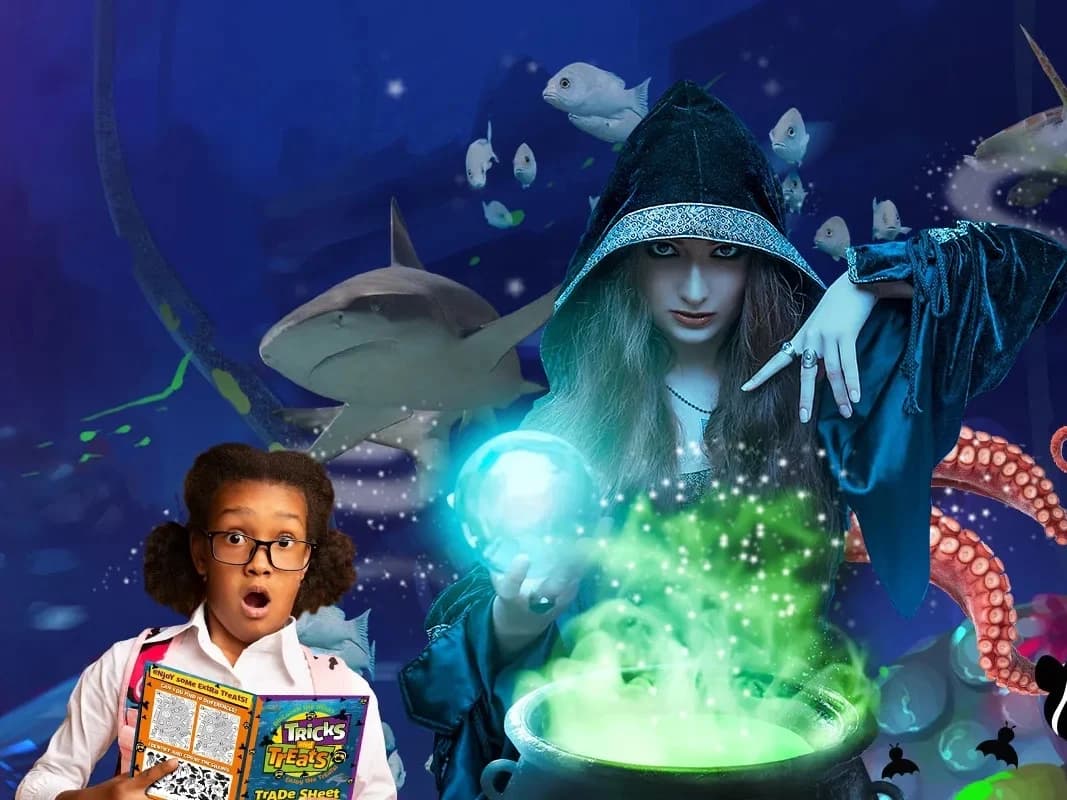
Tricks & Treats
Will you be brave enough to step up and solve the ‘spook-splash-tic’ challenges? This Halloween Embark on a journey of amazing discovery and splash into SEA LIFE London Aquarium this half term! Join our terrifyingly brilliant Trick and Treats team for a frighteningly fun time! They love looking after their ocean home and helping keep their fellow sea creatures safe. They’ve conjured up some magical challenges to find those eager to join their army of ocean defenders. Are you brave enough? Step up and help our sea sorcerers by solving the ‘spook-splash-tic’ challenges and fill in your activity sheet as you go. Learn all about the tricks of the amazing, ‘scary-not scary’ sea creatures, if you dare! Water you waiting for? Your Halloween adventure is included with entry! Don’t forget to explore the rest of our extraordinary, themed habitat zones, featuring over 500 species. Delve into the UK's largest jellyfish experience with Ocean Invaders – an interactive experience through three unique zones. Dive into a dazzling underwater oasis and wave your fins at the UK’s largest living Coral Reef, home to beautiful clownfish, blue tangs and sea goldies. With so much to discover this Halloween – water you waiting for?
Tue 27 Oct - Sat 31 Oct
09:30 - 10:00
Kids Activities • 0m-12 years • £28.00
SE1, SEA LIFE London Aquarium

A Shrektacular Halloween
Spooky Hilarious Misadventure! This October half term, Shrek’s Adventure! London is getting a Halloween twist! Step into Far Far Away for a family journey filled with spooky fun and frightfully funny surprises around every corner. This Halloween adventure runs from 17 October to 1 November and is included with your Shrek’s Adventure! London ticket. Pre-book online to guarantee entry. The fun doesn't end there... Hop aboard the magical flying bus and journey from London to Far Far Away, where fairytale characters, hilarious live storytelling and plenty of surprises await. You’ll find Shrek’s Adventure! London on the South Bank, right next to the London Eye. Discover the adventure Journey through 9 fairytale-themed live shows and meet characters from the Shrek films, including Rumpelstiltskin, Sleeping Beauty, the Muffin Man, Pinocchio and Cinderella, before coming face-to-face with Shrek himself. And keep your eyes peeled for some other familiar DreamWorks faces, including the Penguins of Madagascar and Toothless from How to Train Your Dragon.
Tue 27 Oct - Sun 1 Nov
10:00 - 11:00
Halloween Activities • 3-12 years • £24.00
SE1, Shrek's Adventure
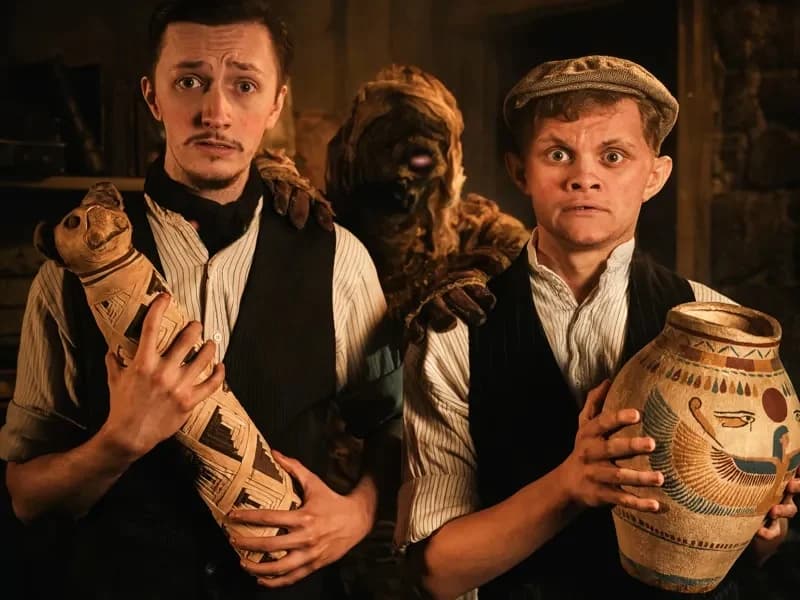
Curse of the Mummy
The Unlucky Mummy Returns Discover how no one is immune to the gruesome misfortunes brought by ancient evil and how a group of wealthy Victorian elites paid the price for their arrogance. You’ll come to realise why some tombs were best left undisturbed, with a story so scary that you’ll want your mummy! This Halloween show will be available from 17 October to 1 November and is included in your London Dungeon ticket. Pre-book online to guarantee entry. Be careful where your eyes wander in the presence of the Unlucky Mummy, or you may leave with a curse of your own.
Tue 27 Oct - Sun 1 Nov
10:00 - 14:00
Halloween Activities • 12 years+ • £27.00
SE1, The London Dungeon
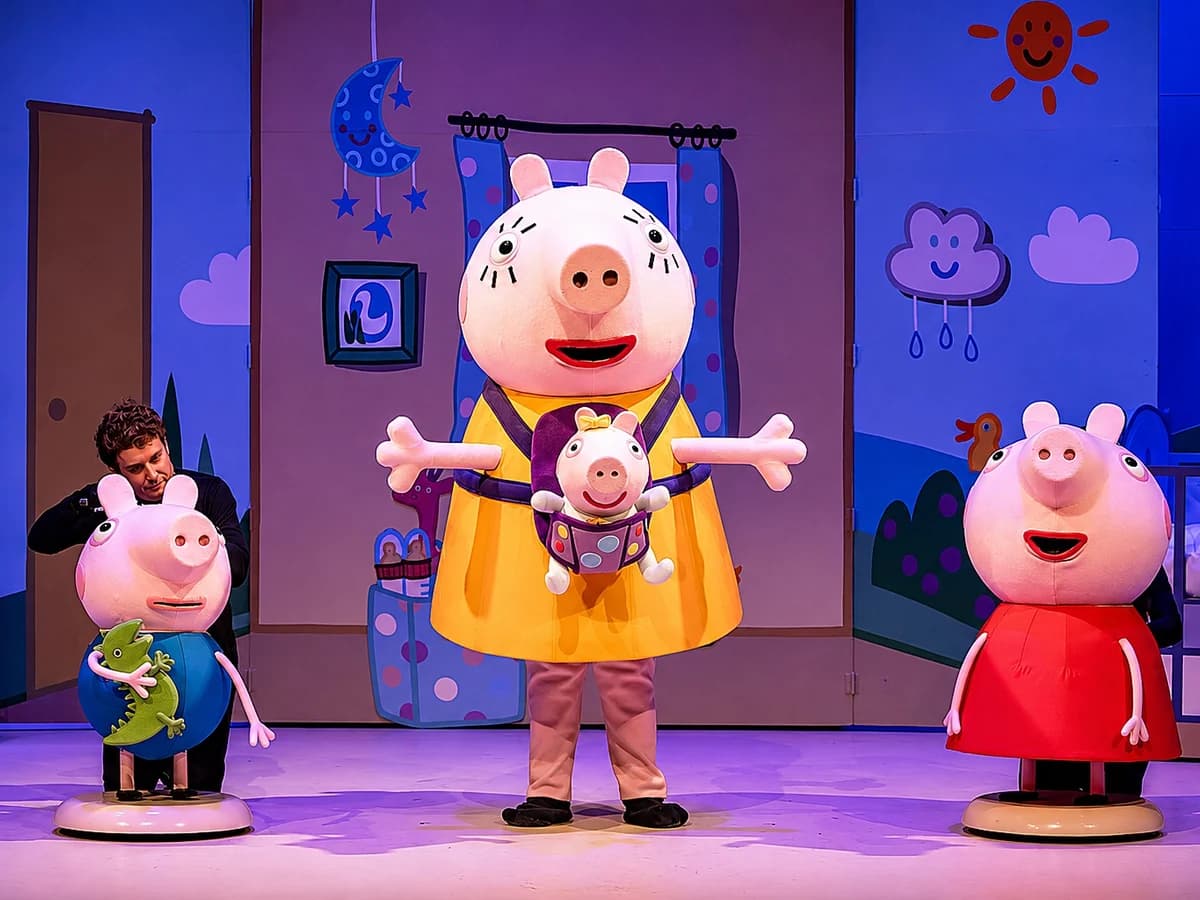
Peppa Pig's Big Family Show
Peppa Pig and friends are back at Theatre Royal Haymarket in their live stage show! Peppa Pig and friends are back in their live stage show! With a new arrival on the way the whole family are busy getting ready. With building and decorating work to be done it’s an oinktastic makeover and Peppa Pig, Mummy Pig, Daddy Pig & George all need your help to get everything ready before the big day. There’s so much to do – will they get it all finished in time? PEPPA PIG’S BIG FAMILY SHOW is packed full of music, adventure and surprises for little ones, and is set to delight audiences across the UK. What is Peppa Pig’s Big Family Show! about? With a new arrival on the way the whole family are busy getting ready. With building and decorating work to be done, it’s an oinktastic makeover and Peppa Pig, Mummy Pig, Daddy Pig & George all need your help to get everything ready before the arrival of baby Evie! There’s so much to do – will they get it all finished in time? About Theatre Royal Haymarket The Theatre Royal Haymarket, known originally as ‘The Little Theatre in the Hay’, is a Grade I listed building situated in the heart of the West End. Designed and constructed by John Potter in 1720 it is one of Britain’s most treasured theatres. Circa 1820, all the buildings on the east of the Haymarket from the theatre southward were rebuilt in connection with John Nash‘s schemes for the improvement of the neighbourhood. Nash persuaded the proprietors of the theatre to rebuild on a site a little south of the old one so that the portico should close the vista from Charles Street. The theatre seats up to 860 patrons and is the third oldest London Playhouse still in use. Today the Haymarket strives to produce memorable theatrical experiences for audiences from around the world, and in 2018 Access Entertainment became the proud new owners of the Haymarket with the ambition to continue the theatre’s rich tradition of creative excellence and support for both the world’s greatest theatrical names and emerging and diverse new talent.
Fri 4 Dec - Fri 18 Dec
11:00 - 12:20
Theatre Show • 2-6 years • £12.00
SW1Y, Theatre Royal Haymarket

Paw Patrol London Bus Tour
⭐ Brigit’s Bakery invites little heroes and their grown-ups on a PAWsome sightseeing adventure through the heart of London. Hop aboard a classic red Routemaster for the PAW Patrol Afternoon Tea Bus Tour, where families join Ryder and the pups on a city-wide mission to find the missing Mayor Goodway and Chickaletta. Highlights 🐾 Join the rescue mission with PAW Patrol as you search for clues across the city 🚌 Cruise past iconic landmarks including Big Ben, Westminster Abbey and Battersea Power Station 🎮 Each table has its own mission screen where Ryder guides junior patrollers through puzzles and challenges 🎤 Enjoy sing-alongs, games and family fun entertainment from the onboard host 🧁 Indulge in a playful PAW Patrol-themed afternoon tea with delicious treats for kids and grown-ups Mayor Goodway and Chickaletta have gone missing in London, and the PAW Patrol needs YOUR help to find them. Junior patrollers, are you ready to climb aboard the Routemaster bus and set off on a city-wide rescue mission? As you roll past London’s famous sights, follow clues and solve challenges on your table’s PAW Patrol mission screen. An onboard entertainer keeps the fun going with games and sing-alongs, while every young hero receives a PAW Patrol Activity Book to complete their mission and a special edition travel cup to take home. And when it’s time to refuel, Brigit’s expert pastry team serves a delicious afternoon tea packed with sweet and savoury treats inspired by everyone’s favourite rescue pups. Ready to save the day? Gather your team, hop on board, and make some tail-wagging memories on this unforgettable London adventure. Get your tickets today!
Tue 27 Oct - Tue 10 Nov
12:30 - 14:00
Kids Activities • 2-8 years • £37.00
WC2N, Corinthia Hotels

PAW Patrol Christmas Lights Bus Tour
Brigit’s Bakery invites you to join Ryder and the pups on the PAW Patrol Christmas Lights Bus Tour to help find Mayor Goodway before Christmas. Solve clues, see the city’s dazzling lights, and enjoy games, treats, and family fun along the way. Highlights 🚌 Climb aboard a festive Routemaster for a magical London Christmas lights tour 🐾 Help solve Ryder’s puzzles and clues to find Mayor Goodway 🎤 Enjoy sing-alongs, games, and high-energy onboard entertainment 🧁 Indulge in a festive afternoon tea and take home a PAW Patrol Christmas souvenir cup About PAW Patrol Christmas Lights Bus Tour Climb aboard a festive red Routemaster for a magical PAW Patrol Christmas Lights Bus Tour through London. Join Ryder and the pups on a rescue mission to find Mayor Goodway, solving clues on interactive screens while passing the city’s sparkling Christmas lights. Enjoy sing-alongs, games, a PAW Patrol activity book, and a delicious Christmas afternoon tea—a tail-wagging festive adventure for the whole family. Get your tickets for the PAW Patrol Christmas Lights Bus Tour in London!
Wed 11 Nov - Tue 5 Jan
12:30 - 14:00
Kids Activities • 2-8 years • £37.00
WC2N, Corinthia Hotels
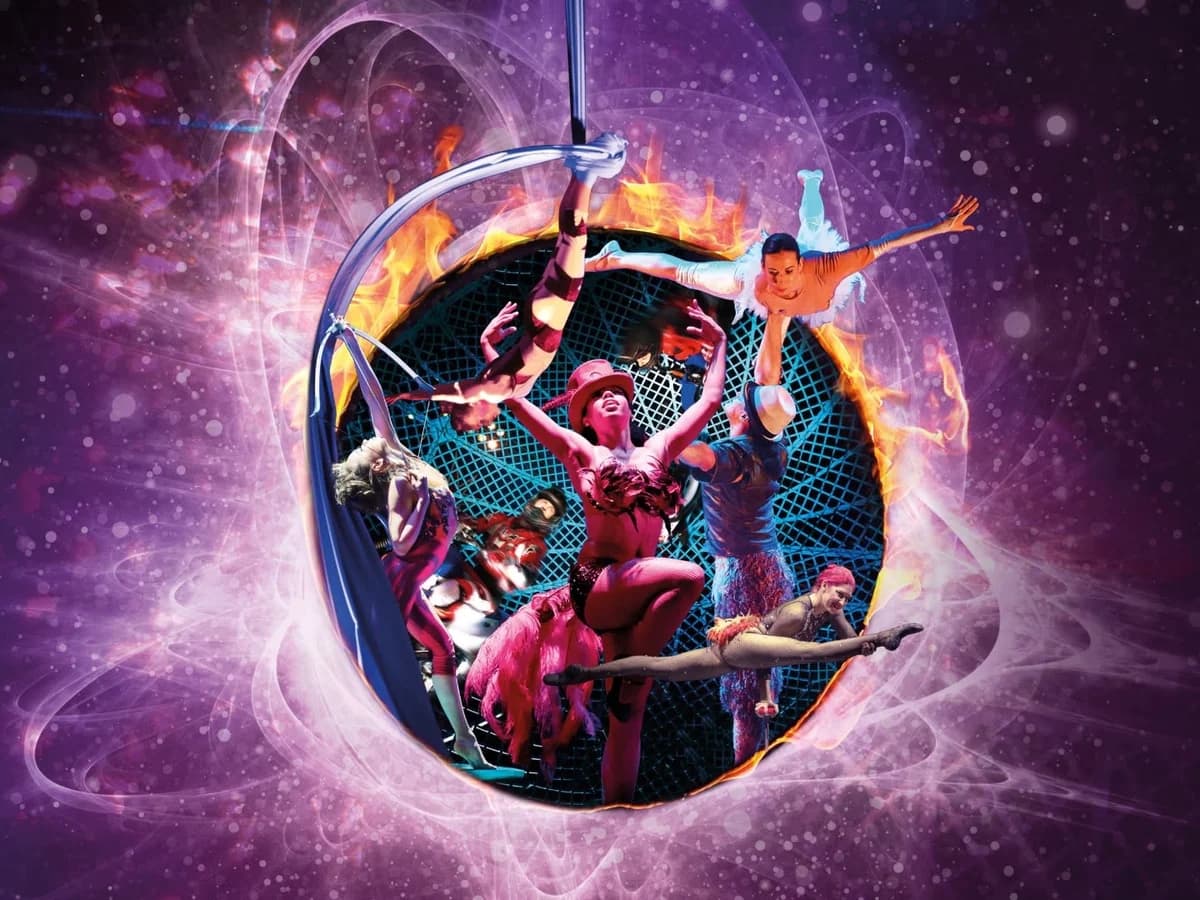
Cirque Berserk!
Britain’s biggest theatre circus spectacular, CIRQUE BESERK!, is making a triumphant return to London’s West End for a strictly limited season at the Garrick Theatre from 21–31 October 2026. ‘Move over Hugh Jackman… this is the greatest show!’ Daily Star Cirque Berserk is back in the West End for half term! Britain’s biggest theatre circus spectacular is back by popular demand – with a brand new show featuring your favourite Cirque Berserk! acts plus some thrilling new ones! Don’t miss the world’s most hair-raising circus act – the legendary motorcycle ‘Globe of Death’, live on stage. KIDS GO HALF PRICE FOR HALF TERM! What is CIRQUE BESERK! about? Presented by Zippos, Cirque Berserk is Britain’s biggest and boldest theatre-circus spectacular showcasing the finest in circus thrills and skills, bringing this treasured form of live entertainment bang up-to-date in a jaw-dropping show created especially for the stage. Combining contemporary cirque-style artistry with adrenaline-fuelled stunt action, this astoundingly talented international troupe includes over thirty acrobats, aerialists and daredevil stuntmen showcasing the finest in traditional circus thrills and skills.
Tue 27 Oct - Fri 30 Oct
15:00 - 16:45
Theatre Show • 5 years+ • £30.00
WC2H, Garrick Theatre

West End Musical Christmas
The West End’s number one concert series WEST END MUSICAL CHRISTMAS returns to the Lyric Theatre for its biggest and most magical festive celebration yet. This Christmas, a surprise cast of the West End’s biggest stars will take to the stage for an unforgettable evening of music and festive cheer, to get audiences well and truly into the Christmas spirit. The set list remains a closely guarded secret, but expect a feast of heart-warming festive favourites, musical theatre classics and Yuletide surprises, building to an unforgettable Christmas party. Whether it’s your annual Christmas tradition or your first West End Musical concert, this is the festive night out that will leave you smiling long after the final encore. We wish you a musical Christmas! What is West End Musical Christmas about? This is a West End Musical concert ‘where the audience becomes the cast’, so warm up those vocal cords, get ready to sing your heart out, dance in the aisles and celebrate the most wonderful time of the year together
Mon 14 Dec - Mon 14 Dec
19:30 - 21:30
Theatre Show • 8 years+ • £24.00
W1D, Lyric Theatre

West End Musical Halloween
This Halloween the West End’s number one concert series returns to Lyric Theatre with another ghoulishly good evening for musical theatre lovers! – WEST END MUSICAL HALLOWEEN! This Halloween, a surprise cast of the West End’s biggest stars will once again haunt the Lyric Theatre with a thrilling concert celebrating the darker side of musicals. Expect wickedly entertaining showstoppers from Sweeney Todd, Little Shop of Horrors, The Rocky Horror Picture Show, The Phantom of the Opera, Hadestown, Beetlejuice and more. This is a West End Musical concert where the audience becomes the cast, so prepare to sing your heart out, dance the night away and enjoy a host of tricks, treats and devilish surprises at this spooktacular celebration. Whether you come in costume or just bring your best scream, this is one Halloween party no musical theatre fan will want to miss. It’s going to be a SCREAM! What is West End Musical Halloween about? Brought to you by the award-winning producers of West End Musical Brunch, Drive In, Celebration and Love Songs. This is a West End Musical concert ‘where the audience become the cast’, so get ready to sing and dance along and for a host of tricks and treats at this Spooktacular celebration!
Mon 2 Nov - Mon 2 Nov
19:30 - 21:30
Theatre Show • 6 years+ • £30.00
W1D, Lyric Theatre
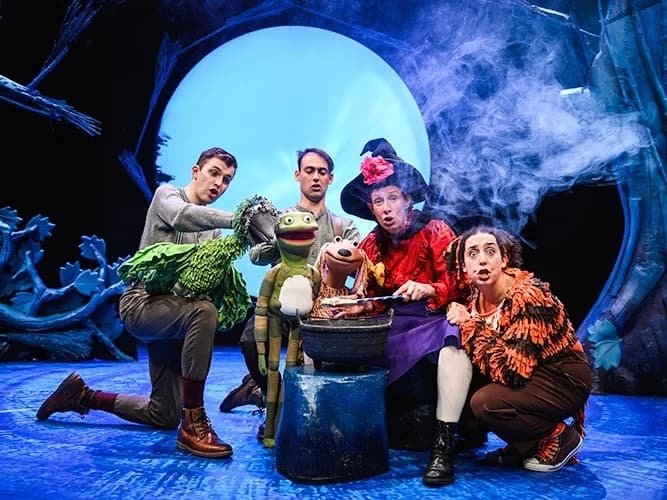
Room on the Broom
Based on the book by Julia Donaldson & Axel Scheffler Iggety ziggety zaggety zoom! Jump on board the broom with the witch and her cat in Tall Stories’ funfilled adaptation of ROOM ON THE BROOM at Lyric Theatre. Will there ever be room on the broom for the witch and her four passengers? Find out in the magical Olivier Award-nominated show for audiences aged 3 and up. From Tall Stories, creators of imaginative storytelling theatre, where everything is possible. What is Room on the Broom about? The witch and her cat are travelling on their broomstick when they pick up some hitch-hikers – a friendly dog, a beautiful green bird and a frantic frog. But this broomstick’s not meant for five and – CRACK – it snaps in two… just as the hungry dragon appears!
Fri 27 Nov - Fri 1 Jan
10:30 - 11:30
Theatre Show • 3-10 years • £12.00
W1D, Lyric Theatre

Cirque Alice
AN EXTRAORDINARY NEW SHOW FROM THE CREATORS OF THE GLOBAL SMASH HITS THE ILLUSIONISTS, CIRCUS 1903 AND LE NOIR! Step into magical ‘Wonderland’ as CIRQUE ALICE reimagines Lewis Carroll’s classic adventures with breathtaking twists and astonishing, gravity-defying feats. Starring the greatest acrobatic performers from around the globe, this magnificent spectacle features stunning performances by mesmerising aerialists, mind-bending contortionists, exquisite puppetry, dancers and special guest musical and comedic artists – set against an enthralling soundtrack of newly arranged contemporary renditions of some of the world’s favourite classical hits. A joyous acrobatic adventure filled with heart-stopping moments and unforgettable performances, CIRQUE ALICE is a fantastical extravaganza for all ages! What is Cirque Alice? Starring the greatest acrobatic performers from around the globe, this magnificent spectacle features stunning performances by mesmerising aerialists, mind-bending contortionists, exquisite puppetry, dancers and special guest musical and comedic artists – set against an enthralling soundtrack of newly arranged contemporary renditions of some of the world’s favourite classical hits.
Sat 12 Dec - Sun 3 Jan
19:30 - 21:30
Theatre Show • 5 years+ • £37.50
SE1, Southbank Centre
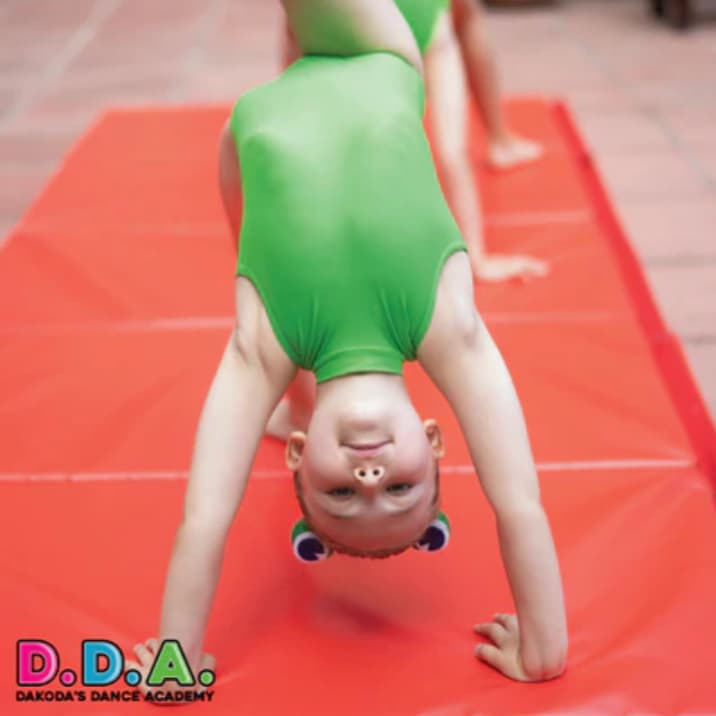
Acro, Gym & Tricks, Knightsbridge, 5-7yrs
Our acro classes combine the art of dance with the athleticism of gymnastics and tricks. We offer classes for children ages 3-16 who are interested in developing their skills in a fun and safe environment. Our experienced and certified instructors use proven techniques to teach students proper form, technique, and skill progression. Our goal is to help each student reach their full potential while building their confidence and creativity. With the combination of gymnastics, tumbling and dance, these classes are a great way to work on confidence, coordination, flexibility and gymnastic skills. Tricks involve learning how to perform stunts such as flips and cartwheels, with focus on developing strength and flexibility, which are essential for both dance and acrobatics. Price shown is for a 2 week class trial
Sat 7 Nov - Sat 12 Dec
10:00 - 10:45
Gymnastics • 5-7 years • £37.00
SW1X, More House School
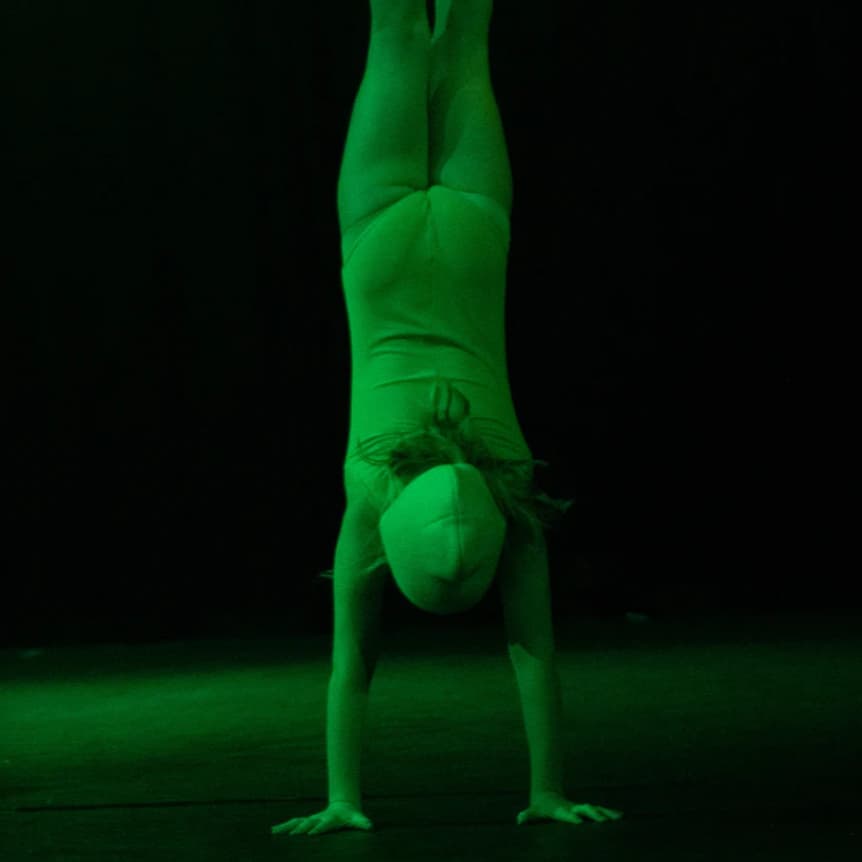
Acro, Gym & Tricks, Knightsbridge, 8-11yrs
Our acro classes combine the art of dance with the athleticism of gymnastics and tricks. We offer classes for children ages 3-16 who are interested in developing their skills in a fun and safe environment. Our experienced and certified instructors use proven techniques to teach students proper form, technique, and skill progression. Our goal is to help each student reach their full potential while building their confidence and creativity. With the combination of gymnastics, tumbling and dance, these classes are a great way to work on confidence, coordination, flexibility and gymnastic skills. Tricks involve learning how to perform stunts such as flips and cartwheels, with focus on developing strength and flexibility, which are essential for both dance and acrobatics. Price shown is for a 2 week class trial
Sat 7 Nov - Sat 12 Dec
17:45 - 18:30
Dance • 8-11 years • £37.00
SW1X, More House School
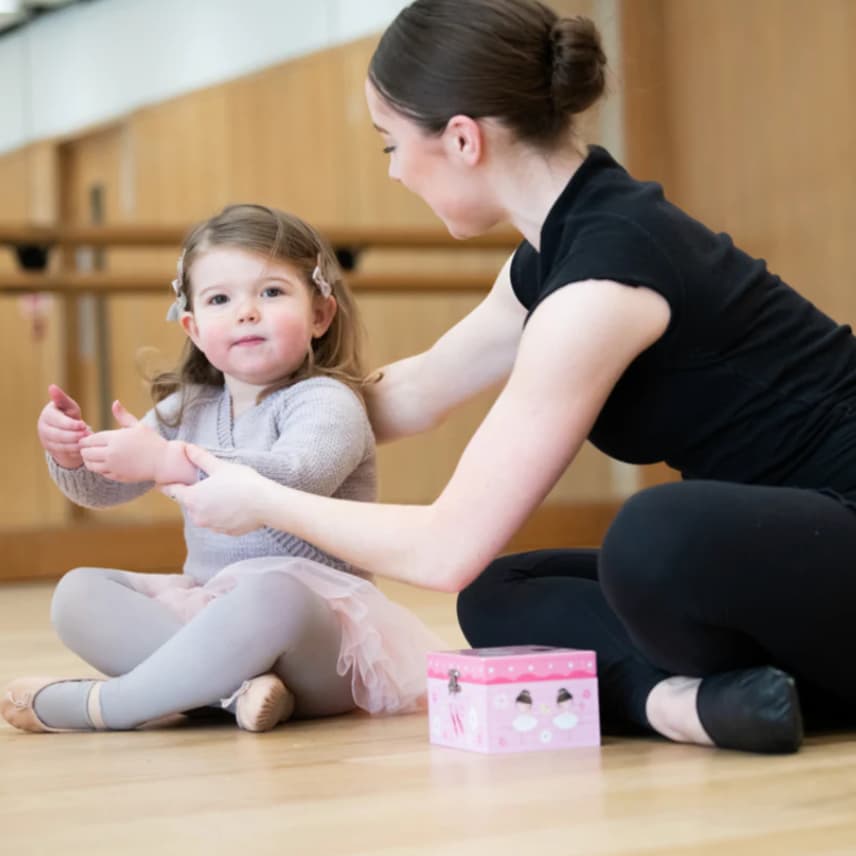
Adult & Me Dance, Knightsbridge, 2-3yrs
Our Adult and Me program has been designed to introduce young children to the exciting and joyful world of dance through the building blocks of posture, stretch, creative improvisation and rhythm. Taught by exceptional professional ballerina’s through a series of exercises, stories and songs that lay the groundwork for proper dance technique. Basic elements of stretches, warm-ups, taking turns, traveling steps, mime, dance class etiquette and many more are introduced. They will start to incorporate individual dance steps into combinations, work on coordination skills using both arms and legs as well as meeting Michael and Margo the much loved Knightsbridge Ballet Teddies. The inspiring teacher holds your child’s interest, and the class will be positively affecting your child’s self esteem and nurturing their imagination & creativity. Boys and girls will be dancing through stories, using play props such as scarves, crowns & dressing up providing a magical experience that will leave them asking when their next class with DDA & Knightsbridge Ballet is. This is a adult participation class. One adult per child only please. Price shown is for a 2 week class trial
Sat 7 Nov - Sat 12 Dec
10:00 - 10:45
Dance • 2-3 years • £37.00
SW1X, More House School
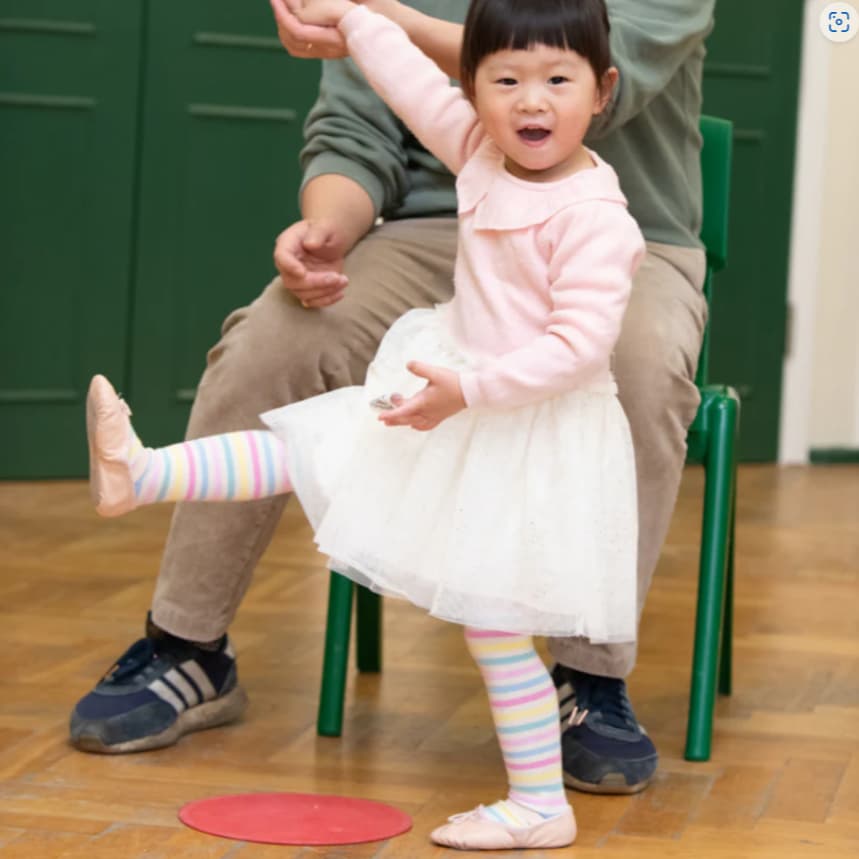
Beginner Ballet, Knightsbridge, 3-4yrs
At Knightsbridge Ballet this specially designed program will introduce your child to the foundations of ballet & dance etiquette. Pre-school boys and girls will learn the fundamental building blocks for dance through exciting stories and in doing so enhance their skills in socialisation, independence, and self-confidence. Your 3 or 4 year old will be delighted with thrilling music, imaginative use of props, fun movements whilst they develop coordination, spatial awareness and musicality. Your fantastic Knightsbridge Ballet teacher strikes just the right balance - a creative, nurturing, fun-filled class with an emphasis on each child’s individual self-expression and working cooperatively. Join Knightsbridge Ballet as we take your little one on an amazing, multi-sensory journey of rhythms and adventures to meet magical fairies, elves, jumping rabbits, strong soldiers and many more- the perfect introduction into World of Ballet and to spark a joy of movement for life. Price shown is for a 2 week class trial
Sat 7 Nov - Sat 12 Dec
10:45 - 11:15
Ballet • 3-4 years • £29.00
SW1X, More House School
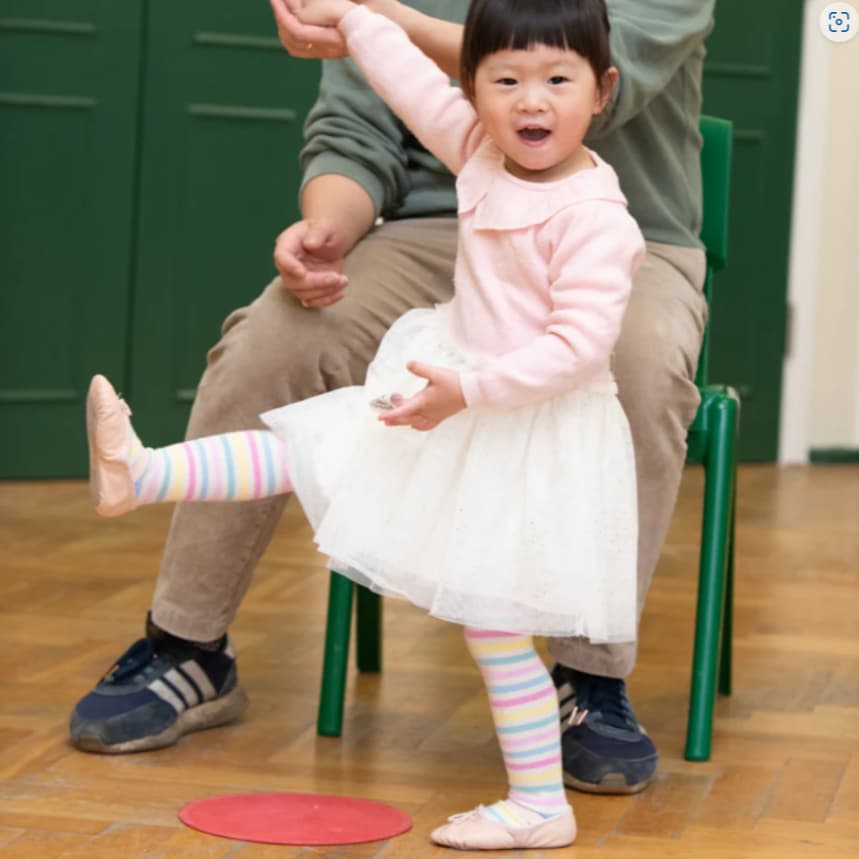
Beginner Ballet, Knightsbridge
At Knightsbridge Ballet this specially designed program will introduce your child to the foundations of ballet & dance etiquette. Pre-school boys and girls will learn the fundamental building blocks for dance through exciting stories and in doing so enhance their skills in socialisation, independence, and self-confidence. Your 3 or 4 year old will be delighted with thrilling music, imaginative use of props, fun movements whilst they develop coordination, spatial awareness and musicality. Your fantastic Knightsbridge Ballet teacher strikes just the right balance - a creative, nurturing, fun-filled class with an emphasis on each child’s individual self-expression and working cooperatively. Join Knightsbridge Ballet as we take your little one on an amazing, multi-sensory journey of rhythms and adventures to meet magical fairies, elves, jumping rabbits, strong soldiers and many more- the perfect introduction into World of Ballet and to spark a joy of movement for life.
Thu 5 Nov - Sat 12 Dec
16:00 - 16:30
Ballet • 3-4 years • £29.00
SW1X, More House School
Stay in the London Loop
Join 30,000 London parents discovering the city's best family fun each week.
What actually happens in a STEM club
STEM sounds like a school subject. In practice it's a lot noisier than that!
For under-fives, it's all simple experiments with everyday items. Think baking soda volcanoes, food colouring creeping up a stick of celery, and toy cars racing down ramps. Nobody memorises anything. At this age, science is just something fun you do with your hands.
Primary-age children start building and testing. They might make rockets, catapults, or a model lung out of a bottle and two balloons. Lots of clubs run one project across several weeks, so your child has something to finish and show off.
For teens, it can be the technology end: coding their own games, robotics kits, electronics and 3D design. This is the age where STEM stops being an activity and starts being a hobby they disappear into.
Coding, science or robotics?
They all get sold under the same STEM banner, but they suit quite different children.
Science clubs are messy and hands-on, with a new topic most weeks. Perfect for the child who loves finding things out and likes a bit of everything.
Coding clubs build week on week, and the progress is easy to see, because your child ends up with real games they made themselves. Just bear in mind they're screen-based, and projects will need to be completed on a device.
Robotics is a bit of both: proper hands-on building, with some coding to make the thing move. It usually costs a little more because of all the kit.
Not sure where to start? Go for a science club. It samples a bit of everything, and within a term you'll know whether your child is drawn to the building, the experiments or the code.
What to check before you book a STEM activity
Is the kit included, or will you be buying it? This is where coding and robotics can get pricey.
Do the sessions build on each other, or stand alone? A term-long project isn't the one to drop into for a single week, but it's brilliant if you want your child to stick with something and create something they are proud of at the end of it.
How many children per adult? Experiments and code go wrong all the time (that's half the fun), but a child who waits twenty minutes for help may decide they're rubbish at it. Worth asking before you book.
And will they bring something home? It sounds like a small thing, but it's usually what decides whether you hear all about it at dinner!
Girls and STEM
The gap between boys and girls in STEM opens far earlier than most of us would guess. In UCL's research, just 11% of girls aged 10 said they'd like a career in engineering, compared to 44% of boys. (3)
At ten years old. Not at GCSE options.
So it isn't about steering anyone towards engineering. It's about getting there before your daughter decides this isn't for her. Some London clubs run girls-only sessions, and they can be worth a look if she's the only girl in her class with her hand up in science.
How to do STEM at home
There are a few ways to encourage STEM activities in the home.
Building blocks are brilliant for spatial thinking. Sink or float in the bath. Toy cars down ramps made of different materials. Water, ice and the kettle for the three states of matter (from a safe distance!).
With older children, they shift from doing experiments to asking questions about them. Why did that happen? What would happen if we changed one thing?
And your enthusiasm does more than any kit ever will. Children can tell quickly whether the grown-up is interested and a passion for science can inspire them as well.
FAQs about STEM clubs
What is a STEM club?
A club where children learn science, technology, engineering and maths by making things, not by being taught about them. Expect experiments, building, coding and taking things apart. No writing up, and no test at the end!
What age can children start STEM activities?
Children can start STEM activities from around two years old. It just looks completely different at each stage. Toddler sessions are sensory and gloriously messy, primary clubs build and test things, and teen clubs go deeper into coding and robotics.
Do you have to be good at maths?
Not at all, and this worry puts off more children than almost anything else. Most clubs run on curiosity and trial and error. Plenty of children who find maths lessons a struggle absolutely love robotics, because building something that works is a very different skill from getting the sum right on paper.
What's the difference between STEM and STEAM?
STEAM adds art to the mix. In practice, the difference is design: STEAM sessions care about how the thing looks as well as whether it works, which is lovely for children who are creative as well as science oriented.
Are STEM clubs worth it?
UCL's research found that children who get plenty of science outside school are far more likely to still be doing it after 16, and clubs are a big part of that. (2) But a club your child dreads is not worth doing, so the right fit matters more than anything else.